AUDI 253-52335 Rh Passenger Roof Curtain Airbag
fits model: Q7. make: Audi. year: 2007–2015.
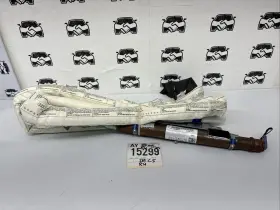
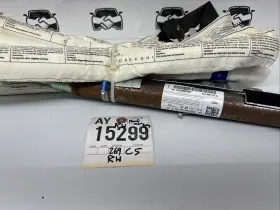
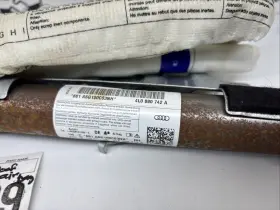
( Type: Airbag ), ( Ipn: 253-52335 ), ( Oe/oem Part Number: 4l0880742a ), ( Placement On Vehicle: Roof ), ( Partout Id: A-52996263 )
Review AUDI Rh Passenger Roof Curtain Airbag Oem fits Q7 2007–2015
Introducing the Audi 253-52335 2007-2015 Q7 Rh Passenger Roof Curtain Airbag, a critical safety component designed specifically for select models of the Audi Q7 produced between 2007 and 2015. This airbag system is an essential addition to your vehicle's comprehensive safety features.
The Rh Passenger Roof Curtain Airbag is expertly engineered to provide enhanced side impact protection for the vehicle's rear-seat passengers. When deployed in the event of a side collision, these airbags emerge from the roof rail above the side windows, cushioning the occupants and shielding them from external impacts to minimize injuries.
This airbag system is meticulously crafted from advanced materials to ensure optimal performance in various collision scenarios. A multilayer structure, including a fabric cover and a protective padding layer, offers effective protection while maintaining a modern and visually appealing design within your Audi Q7's interior.
Installation of the Audi 253-52335 2007-2015 Q7 Rh Passenger Roof Curtain Airbag is designed to be smooth and hassle-free, requiring minimal vehicle modifications and professional installation by a certified mechanic or dealership. This guarantees that the airbags function seamlessly as an integral part of your Q7's safety infrastructure.
Please note that the use of this product may require the replacement of the entire roof rail assembly (if the airbag housing is damaged). Subsequently, it is advised that you always check the airbag system's functionality through routine vehicular maintenance, ensuring the continued protection of passengers and compliance with safety regulations.
Secure peace of mind and enhanced Protection for your Audi Q7 by investing in this essential safety feature the Audi 253-52335 2007-2015 Q7 Rh Passenger Roof Curtain Airbag.
A Comprehensive Analysis of Buying an Audi Q7 Rh passenger Roof Curtain Airbag (2007-2015), Pros, Cons, and Recommendation
The Audi Q7 Rh passenger roof curtain airbag is an essential safety component that adds an extra layer of security for vehicle passengers. This analysis aims to provide a comprehensive review of the pros, cons, and a concluding recommendation.
Pros:1. Safety: The primary reason to invest in a roof curtain airbag is the enhanced level of safety it provides. In the event of a side impact collision, the roof curtain airbag deploys, shielding the passengers' heads from harm.
2. Peace of Mind: Having a roof curtain airbag installed can bring peace of mind, knowing that extra safety measures have been taken for your vehicle and passengers.
3. Improved Resale Value: A vehicle with added safety features, such as a roof curtain airbag, can increase its resale value.
Cons:1. Cost: The initial cost of purchasing and installation may be a deterrent for some consumers. Roof curtain airbags can range from $300 to $1,500 or more, depending on the make and model, labor and installation costs included.
2. Compatibility: Not all Audi Q7 2007-2015 models come with the Rh passenger roof curtain airbag as a standard feature. Buyers may need to verify if the car they own already has it before considering purchasing an additional one.
3. Limited Market for Used Parts: Since the Audi Q7 Rh passenger roof curtain airbag is not a standard feature for all models and years, there may be a limited market for used parts if replacement is needed.
In conclusion, the decision to buy an Audi Q7 Rh passenger roof curtain airbag (2007-2015) depends on various factors, including personal safety concerns, financial resources, and the specific make and model of your vehicle. If safety is a top priority, the investment in a roof curtain airbag can prove invaluable. Conversely, if cost is a concern, it may be worth verifying if the roof curtain airbag is already a standard feature of your vehicle before considering purchasing an additional one.
Recommendation:I would suggest conducting research on specific Audi Q7 2007-2015 models and their standard safety features. If the roof curtain airbag is not a standard feature, consider the investment based on personal safety concerns, your budget, and the potential resale value boost. It is also advisable to consult with professional repair shops for installation costs and availability of used parts if needed.
Details:
specifications ableairbags:
- for models: Q7
- for makes: Audi
- for years: 2007-2015
- type: Airbag
- interchange part number: 253-52335
- oe/oem part number: 4l0880742a
- placement on vehicle: Roof
- partout id: A-52996263
returns ableairbags:
- policy: Returns Accepted
- time: 30 Days
- paid by: Buyer
seller ableairbags:
- city: Detroit, Michigan
- # reviews: 441
- rating: 100.0%
payments ableairbags:
- other
- credit card: Mastercard
- wallet: Apple-pay
offer ableairbags:
- sold: 0
- options: Ship-to-home
- quantity: 1
- started: November 29, 2024
- availability: In Stock
shipping ableairbags:
- transit: 5-11 Days
- carrier: UPS
- type: Fixed
- service: UPS Ground
- cost: $0.00
- class: Standard
general ableairbags:
- condition: Used
- Interior Parts Accessories > Interior Safety > Airbags
Audi Is Similar To:
- Audi 253-67762 2015-2017 A3 Driver Wheel Airbag Air Bag Oem Lkq (48.8% similar) Important, here to see full part and important fitment information...(June 17th, 2024)
- Audi 253-67448 2013-2016 Q5 Driver Wheel Airbag Air Bag Oem Lkq (52% similar) ...(June 24th, 2024)
- Audi 253-67275 2013-2016 A4 Driver Wheel Airbag Air Bag Oem Lkq (53.5% similar) ...(July 13th, 2024)
- Audi 591-73736 2015-2020 A3 Airbag Air Bag Control Module Oem Lkq (37.2% similar) Used airbags are not tested by to meet any safety standards. This listing is for 1 item only, will fit: audi RS3 2017 -2020 air bag; under console, Volkswagen golf GTI 2018 -2020 5Q0959655JZ 2021 - 2021 LHS dash panel, s3 2015 -2020 a3 2015 - 2017 SD, 2016 - 2017 ht bk e-tron, 2018 ...(July 21st, 2024)
- Audi 4m0880201p6ps 2017-2019 Q7 Driver Steering Wheel Srs Airbag Air Bag Black Oem scratches (44.6% similar) 3.0L TVs supercharged v6 engine. 8 speed automatic transmission. Came off a 2017 audi q7 quarto prestige. 103,731 miles...(July 22nd, 2024)
- Audi 253-11111 2018-2020 Q5 Driver Wheel Airbag Air Bag Oem Lkq (50.4% similar) Used airbags are not tested by to meet any safety standards. This listing is oem and has never been deployed. This will fit: audi q5 2018 -2020 front, driver, wheel...(July 22nd, 2024)
- Audi 4g0880201h 12-18 Oem A6 A7 Rs7 S6 S7 Front Driver Steering Wheel Airbag Air Bag Srs (39.5% similar) Stock number: #168. Large items shipping. All parts come with a 30-DAY warranty. Base: hatchback. Model: audi A7...(July 24th, 2024)
- Audi 4g8880842a 2012-2018 Oem A6 A7 S6 S7 Front Right Passenger Side Dash Knee Airbag (51% similar) Base: hatchback. Stock number: #165. All parts come with a 30-DAY warranty. Model: audi S7. Large items shipping...(July 26th, 2024)
- Audi 253-68199 2017 2018 2019 2020 2021 A4 Passenger Knee Airbag Air Bag Oem (58.6% similar) Used airbags are not tested by to meet any safety standards. This listing is oem and has never been deployed...(July 27th, 2024)
- Audi 253-68242 17 18 19 Q7 Lh Driver Steering Wheel Airbag Air Bag Oem Lkq (50.7% similar) This listing is oem and has never been deployed. Used airbags are not tested by to meet any safety standards. This will fit: audi q7 2017 -2019 front, driver, wheel...(July 28th, 2024)
- Audi 4g8880742b 2012-2015 Oem A7 Rs7 S7 Right Passenger Side Roof Head Airbag Curtain (59.1% similar) Model: audi S7. Large items shipping. All parts come with a 30-DAY warranty. Base: hatchback. Stock number: #165...(July 29th, 2024)

5 offers $109.25–$185.16 USD
- Used. Offer #1 priced at $109.25 + $0.00 delivery = $109.25* total. 20% OFF SALE! 30%OFF SALE!! Our Part #s: R, 4212850.FREE SHIPPING
- Used. Offer #2 priced at $185.16 + $0.00 delivery = $185.16* total. Replace oil pan gasket and rear main seal. see more Q7 AUDI parts.FREE SHIPPING
- Used. Offer #3 priced at $113.95 + $65.00 delivery = $178.95* total. Mounting bolts are not included Passenger Right Air Bag Front Passenger Roof Fits 07-15 AUDI Q7 2801797.+$65.00 shipping
- Used. Offer #4 priced at $114.99 + $0.00 delivery = $114.99* total. Notes: RIGHT,ROOF CURTAIN AIRBAG, 4L0880742.FREE SHIPPING
- Used. Offer #5 priced at $90.25 + $0.00 delivery = $90.25* total. This is a Used OEM Airbag Assembly pulled from a 2014 Q7 AUDI with 154000 actual miles on it Our Part #s: R, 3494490.FREE SHIPPING